
Marketing is understanding people. AI is changing how people behave.

Nifemi Aikomo
Chapter 01
Where I’m starting from
It’s taking work that only a few people could do and handing it to everyone.
A few years ago, if you wanted a landing page, you needed a UI designer, a web developer, someone to write the copy, and a budget to pay all three. Today, with a $20-a-month subscription to Lovable, you can get a landing page done in an afternoon. It might not be great. It might look like ten other landing pages on the internet. But you still get a landing page, and for most people that would not have been possible before.
What a landing page takes
- A UI designer
- A web developer
- Someone to write the copy
- A budget to pay all three
A $20-a-month subscription to Lovable
An afternoon
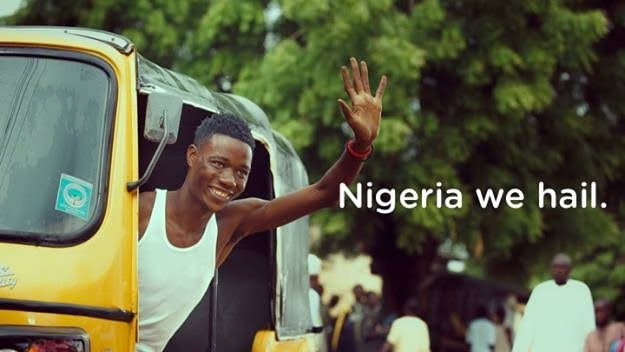
One of the first campaigns I ever worked on in marketing, on the strategy side, was Union Bank’s “Don’t be an Uncle Thomas” in 2018. Union Bank had just turned 100 and rebranded the year before, moving away from “Big, Strong, Reliable” to a simpler, smarter bank, trying to shake off the image of slow, old-school banking. The campaign played on “Thomas,” our Nigerian expression for the doubter (from the disciple who wouldn’t believe until he saw), and asked Nigerians not to let disappointment turn them cynical about their own country. When we were thinking about the brand archetype, we went with the democratiser. The brand should take what was only available to the 1% and put it in the hands of the 99%.
Two ways I’m intrigued
The second hadn’t really crossed my mind until recently, when I attended the Meltwater Summit. It was how AI matters to the field I’ve given almost a decade of my life to, which is marketing. I’d never sat down to think about it properly. At best, I thought about how it could speed up my research. I had never thought about it from the fundamentals of what marketing actually is. After the summit, I started to see how AI, over the next few years, is going to change marketing at its root.
Chapter 02
Marketing is understanding people, and people are changing
What AI is doing, and this is why it matters so much for marketing, is changing how people behave.
One of the first things you learn in marketing, in school or on the job, is the funnel. Awareness, consideration, conversion, and a few more stages depending on who’s teaching it. Alongside the funnel, you learn which platforms and touchpoints reach people at each stage.
Look at that funnel today. Discovery still runs through search. In February 2024, Gartner predicted that search engine volume would drop 25% by 2026 because of AI chatbots. That didn’t happen. Gener8, which tracks the real browsing and AI use of a consented panel of over 230,000 people in the US and UK, found that over the past year Google searches per user went up 23% in the US and 16% in the UK. That was the same year monthly AI use on mobile in the US went from 24% to 43% of people. What changed is how people search. The average Google search is now 26% longer than it was a year ago, and Gener8’s read is that people have started typing into Google the way they talk to ChatGPT.
The example that made it click for me is Apple. Apple has a page on its website where you can compare iPhones side by side, and it’s a good tool. A year ago, when people in the US compared iPhones, 63% did it on Apple’s comparison page and 37% did it with an AI tool. Twelve months later, it has flipped: 61% now compare with an AI and only 39% use Apple’s own page. This is Apple, one of the most loved brands in the world, with a tool built for exactly this job, and people would rather ask ChatGPT about its phones than ask Apple.
One shopper, one purchase
Most brands are nowhere near offering that at the moment people are looking for their products. That’s where I think the biggest change will come, in buying behaviour, and in how we understand an audience at all.
Chapter 03
Audiences are not static beings
The way we think about audiences has to change too. Most of the time we treat the audience as fixed: “We’re speaking to Nifemi, who is 37 and lives in such-and-such city.” In reality, Nifemi is not a static being. He changes across seasons, moods, responsibilities and money. The Nifemi you’re trying to reach today has probably changed by tomorrow. One of the clearest windows into that Nifemi is what he’s asking AI.
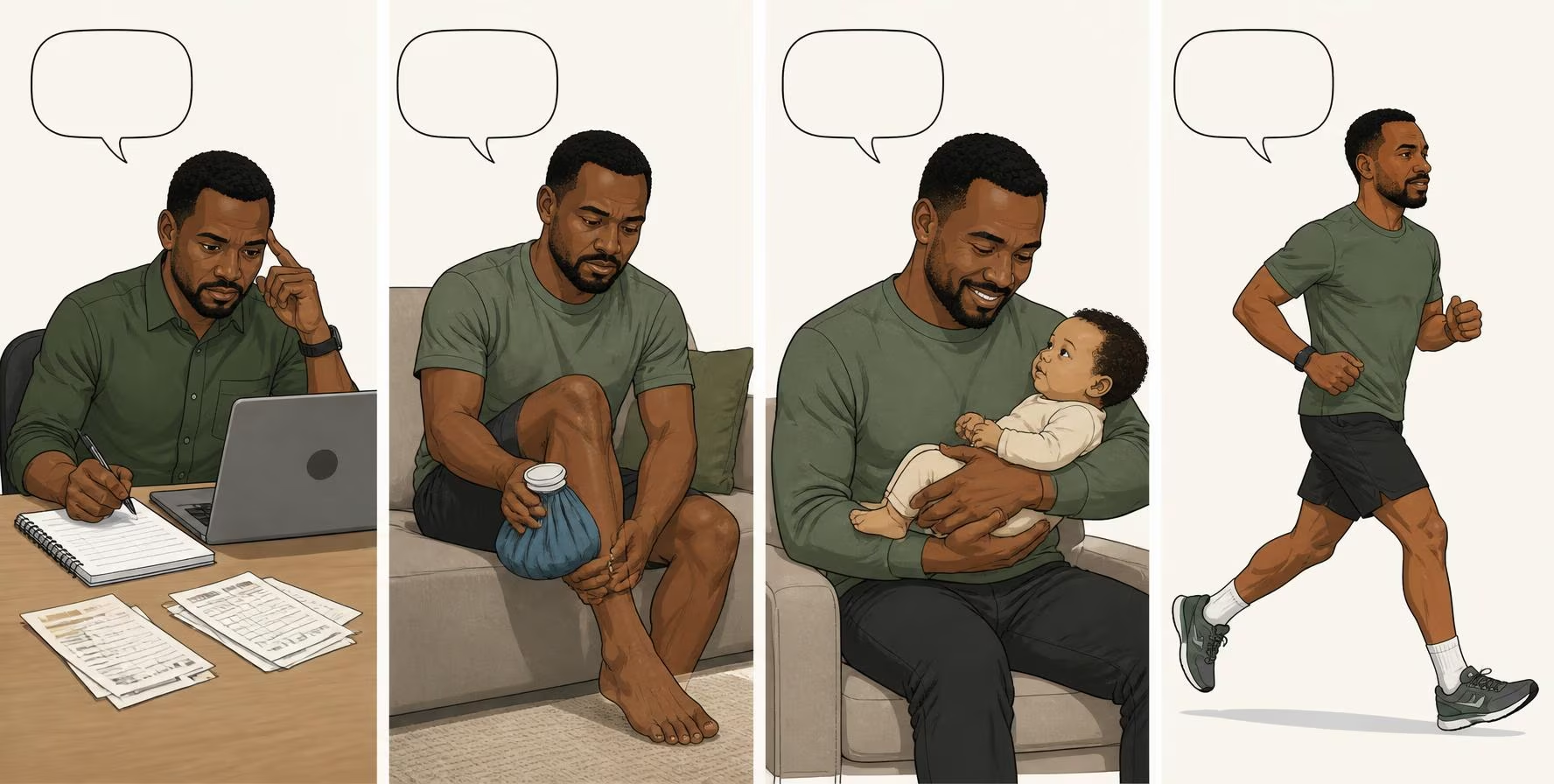
Then there’s the grouping we love to do in marketing. “We’re trying to reach Gen Z.” Who is Gen Z? It doesn’t make sense to treat everyone between 18 and 25 as one valid target for one product. Assuming everybody in that age range likes the same thing ignores the subgroups inside it, and the subgroups inside those. A 19-year-old student in Ibadan and a 24-year-old product designer in Lekki are both Gen Z, and they have almost nothing in common when it comes to what they’ll buy and why. This is where understanding audiences through AI, through what they ask and how they ask it, can help us see people more clearly.
How I think about AI
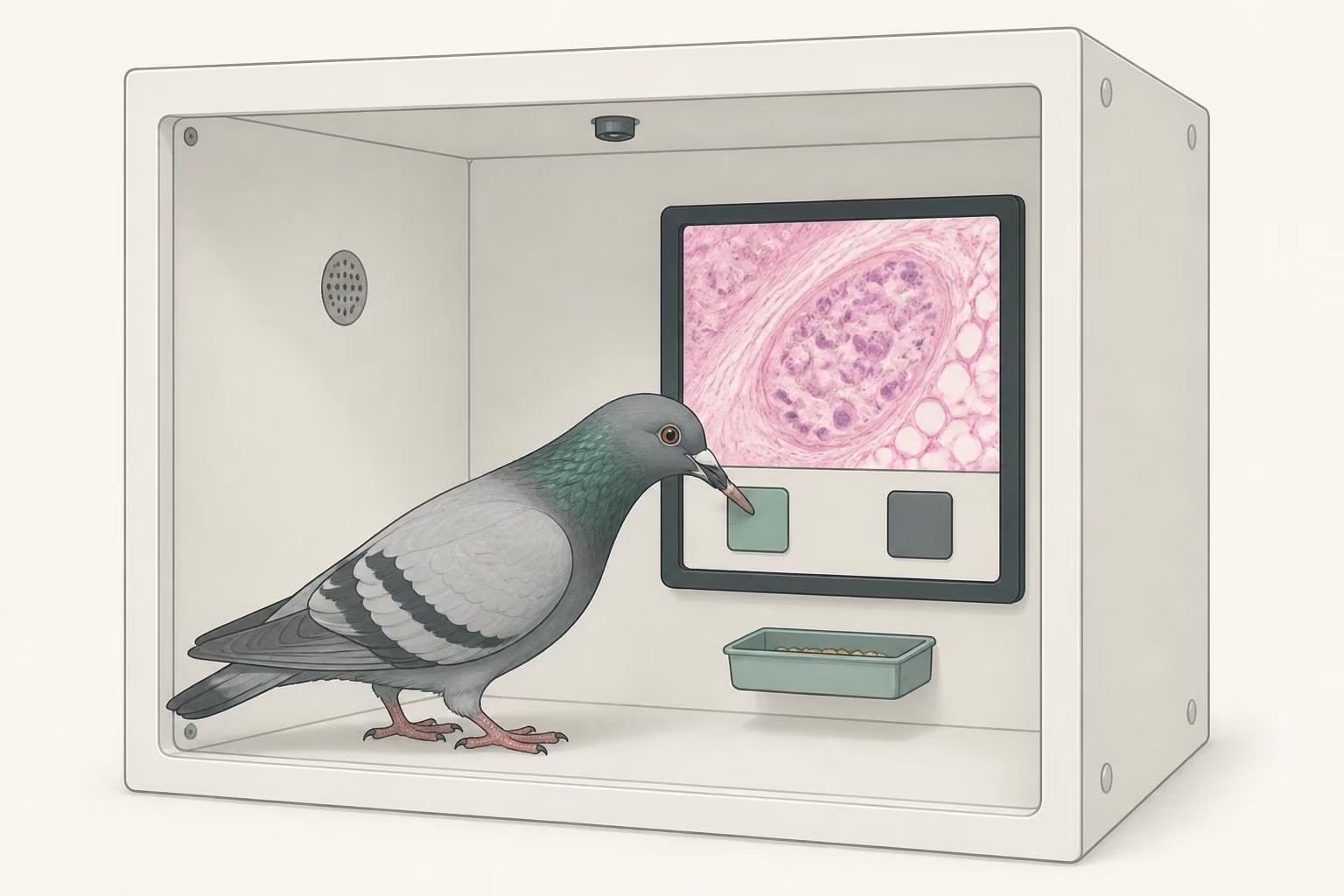
The first is a study about pigeons. In 2015, researchers from UC Davis and the University of Iowa trained pigeons to tell the difference between cancerous and healthy breast tissue on digitised microscope slides. Every time a bird pecked the right answer, it got food. Within about two weeks, individual birds went from guessing (around 50%) to almost 85% accuracy. When the researchers pooled the answers of four birds, the flock reached 99%. Pigeons, matching trained human eyes.
Then the researchers gave the pigeons a harder job: deciding whether a mass on a mammogram was cancerous. The birds did well on the images they had been trained on and no better than chance on new ones. They had memorised the pictures. They hadn’t understood anything.
Source: Levenson et al., PLOS ONE (2015) · UC Davis and University of Iowa
The second way I think about it is as the biggest library any one person has ever had, with a librarian who does the reading for you. Ask it about almost anything and it pulls together what thousands of sources have said and hands you the summary in seconds. I think that’s amazing. You want to understand the conflict between the US and Iran, and in five minutes you’ve learned enough to hold a conversation about it. (Whether five minutes of knowledge is enough is a topic for another day.)

AI in Nigeria is here to stay
Think about it from a Nigerian point of view. A mum or dad on the family WhatsApp group who would normally have to beg their second son, “Abeg, help me design this flyer,” and then wait five working days, ten working days (for a flyer that has no eventual purpose, but that’s a conversation for another day), can now go on ChatGPT, Gemini or Claude and do it themselves. Just imagine the joy. They want to tell their old school friends they miss them: “Picture of this person, picture of that person, put them together, write ‘I miss you.'” Thirty seconds later, it’s done, and it’s on a WhatsApp group, on an app installed on 95% of the smartphones in Nigeria’s big cities. You think that’s going away? Impossible.

The numbers back this up. In Google and Ipsos’s Our Life with AI study, which surveyed about 1,000 Nigerian adults online in late 2025, 88% said they use AI chatbots. 93% use AI to learn or understand complex topics, against 74% globally. 91% use it for work. 80% have used it to explore a new business or a career change, almost double the global figure of 42%. And 80% of Nigerians are more excited than worried about AI, compared with 53% globally. And it isn’t only a young person’s thing. Across the whole study, Gen Z use AI the most (82%), but millennials aren’t far behind at 74%.
Source: Google and Ipsos, Our Life with AI · about 1,000 Nigerian adults online, Sept to Oct 2025, via Techpoint Africa
But look at the rest of the picture. 83% have bought something directly through social media. Only 34% would trust an AI agent to complete the checkout for them. And 51% were hit by a financial scam in the past year, more than half of those on social media.
So Nigerians are still discovering on social, they’re comparing with AI, and they’re not ready to let AI hold the wallet. The middle of the funnel is already moving. The end of it is next, and trust is what will decide how fast.
Source: Visa Stay Secure 2026, Nigeria · Wakefield Research, Jan to Feb 2026, via TheCable
How AI will change marketing
The research already shows buyers going with what AI recommends. ChatGPT alone has close to a billion weekly users, and Meltwater’s 2026 Global Digital Report ranks it the fifth most visited website in the world in 2025. Meltwater’s guide on AI visibility describes the old way and the new way well. Before, if you were shopping for a family car, you’d search “best family SUV” and get a wall of links: review sites, manufacturer sites, dealerships, YouTube videos, forums. Every one of those was a chance for a brand to make its case. Now you ask an AI and get two or three options with a short reason for each. How many people keep researching after that? Meltwater’s conclusion is blunt: if your brand isn’t one of the handful AI recommends, it will slowly become invisible.
And AI is not only giving advice. In Gener8’s UK survey of 1,020 adults in September 2026, 46% said they’d be comfortable letting AI make a purchase under £50 on their behalf. Among heavy AI users, it was 79%.
Beyond AEO and GEO
But think about how we do marketing now. SEO was never the full answer to a branding problem. SEO is discoverability. The real question has always been: does your brand show up in the right place, at the right time, when it’s meant to show up? That’s the question we should be asking about AI too.
There’s a concept for this that more of us should be using: category entry points. It comes from Professor Jenni Romaniuk and the Ehrenberg-Bass Institute, and the simplest way I can explain it is this. Category entry points are the cues that make a person think of buying in your category in the first place: what’s happening, where they are, who they’re with, what they need, how they feel. The important part is that they’re about the buyer, not the brand.
Some brands have taken the time to define these moments. A fizzy drink might say, “We show up when friends gather, we show up with food, we show up at the end of a long, hot day.” That’s the kind of thinking I mean, and it’s exactly how we should think about showing up in AI. Not “how do we rank for this keyword,” but “when someone describes this moment to an AI, are we a natural part of the answer?”
We don’t own the narrative
AI seems to agree. Meltwater analysed more than 5 million citations across the major AI tools and found that 48% of everything they cite comes from news media. For ChatGPT, it’s 66%. When AI cites social platforms, Reddit makes up 28%, X 26% and YouTube 19%, the places where people discuss and explain things. Instagram is under 3%. TikTok is under 1%. Meltwater’s reading is that AI values conversation and consensus over aesthetics. Heineken’s global measurement lead put it better than I can: “It’s no longer a battle of keywords, but a battle of sources.”
Source: Meltwater, Own Your AI Visibility (2026) · GenAI Lens analysis of 5M+ citations
Culture works the same way. You can’t own it, you can only be part of it. And when I look at what that means for marketing over the next few years, I see six shifts.
Six shifts I see coming
1. Discovery: social is still winning
In Nigeria, 83% of people have bought something directly through social media, and 68% say they usually discover new brands or shops while browsing online. Social is still where people meet you.
But people don’t fully believe what they see there. In Gener8’s UK trust survey, social media and influencers came last of every source, trusted by only 29% of people. Billboards were at 32%, TV advertising at 42%, AI assistants at 47%, search engines at 75% and friends and family at 87%. So people find you on social, and then they go and check. More and more, they check with AI, which is now trusted more than every form of advertising on that list.
Source: Gener8 Survey · UK adults, September 2026, n = 1,020
2. Where AI has changed things: comparison and decision
The traditional funnel assumed a person was thinking through every stage, and we could influence them at each step. If the comparison and the decision are now handled by an AI pulling together everything it knows about the category, the products and the person asking, then the question becomes: how do you market to a funnel where part of the funnel isn’t human?
Gener8 summed it up in one line. The brand manager’s question used to be, “How do I make the consumer choose my brand?” Increasingly, it’s, “How do I make the AI choose my brand?” And it matters commercially. When an AI answer names a brand, that brand’s website visit rate goes from 1.8% to 6.8%, about 3.6 times higher, and that held across all nine industries they looked at.
Source: Gener8 GenAI and Clickstream data · US and UK, Aug 2025 to Jul 2026, 9 verticals
3. Reach vs resonance: the metric problem
Those numbers tell us how far something went. They don’t tell us what it did when it got there.
Attention is everywhere now, and it’s meaning that has become scarce. People can see your content and feel nothing at all. And feeling nothing is the new scroll past.
Bring AI into it and the problem gets bigger. When an AI decides which brands to recommend, it isn’t counting your impressions. It’s reading what people say about you, what’s written about you, and what you mean to people when there’s no campaign running. The brands people already carry in their heads win. Gener8 found that when someone names a brand in their question to AI, that brand’s visit rate jumps to 9.6%, 5.4 times the baseline. That’s resonance showing up in the numbers.
We need to move from reach to resonance. Not “how many people saw this?” but “what did it do to the people who saw it?” When you understand resonance, what made people stop, engage, share and come back, you understand your audience better, you understand what made the campaign work, and you give yourself the chance to repeat that success. Not just once. Consistently.
4. Cultural intelligence: understanding beats awareness
Cultural intelligence, to me, is understanding how a culture works from the inside. What are the codes? What are the references? What do people inside a particular culture or community respond to that people outside it simply can’t see?
This is where brands get it wrong. Something is trending, and two brands activate on it on the same day. One joins the conversation naturally. The other is awkward and out of place, and people either ignore it or make fun of it. And you’re left wondering what one brand did that the other didn’t.
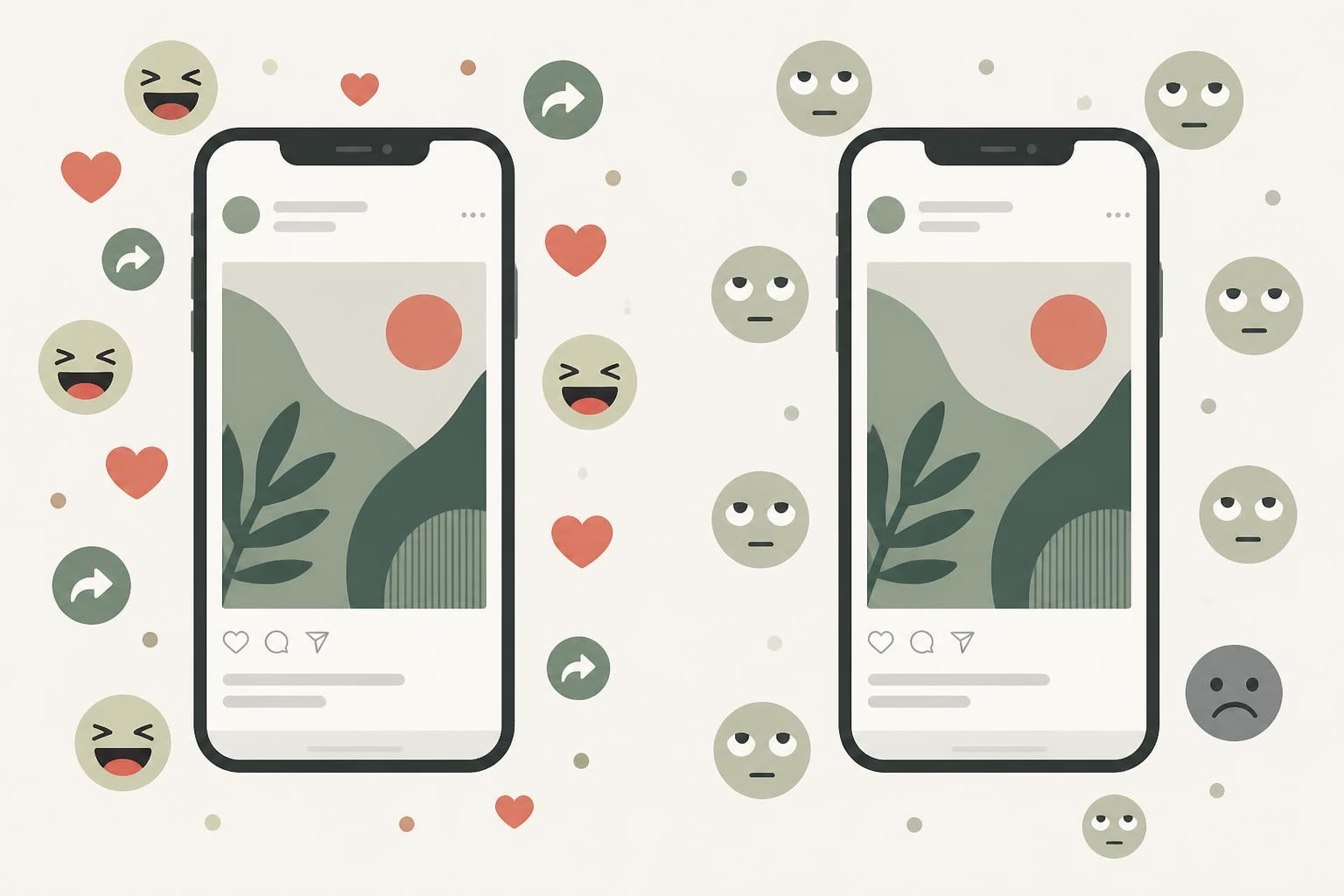
We see this all the time in the Nigerian market, brands pushed to jump on every trend and activate on everything, fast. Cultural intelligence also means knowing when to say, “This doesn’t fit us,” or, “This is too deep for us to make light of.” Very few people talk about that part.
In an AI world, this matters even more. AI repeats what people say about you. The brand that got dragged for a badly judged post doesn’t just lose a news cycle. That reaction becomes part of the record AI reads, the Reddit threads and X posts it cites most often. You can’t fake proximity, and you can’t prompt your way out of a bad reputation.
Duolingo gets mentioned a lot as a brand that does this well. The better question is what work happened behind the scenes to make it look so effortless. It’s never just the post. It’s the understanding that came before it.
5. Community over culture: the asset AI can’t copy
The word that means more to me is community, especially now. As AI makes it easy for any brand to produce good-looking, well-written campaigns, good content stops being what sets you apart. A look can be copied. A real community can’t.
I mentioned Gen Z earlier. Audiences are not one fixed group. The deeper work is understanding what people like, who they are, and which communities they belong to. That’s where the insight lives.
Over the next few years, I think marketing will be done more and more on a community basis. Where do these people go? What are they watching on YouTube? Which podcasts are they in? Which creators are they in conversation with? Creator marketing will keep growing, that argument has been made. What will matter most is not which creator has the biggest following, but which creator has built something real with the people around them.
The data points the same way. The social platforms AI cites most, Reddit, X and YouTube, are the ones where people talk to each other. And when people were asked who they trust, friends and family came first at 87%. Community is what makes the impact last.
6. Earned first: bravery before budget
The idea is simple, but it takes a kind of bravery most brands aren’t ready for. Instead of designing a campaign and then hoping it gets people talking, you build the campaign with earned media as the goal from day one. Before anything else, you ask: is this idea strong enough that people will want to share it, talk about it and engage with it without being paid to?
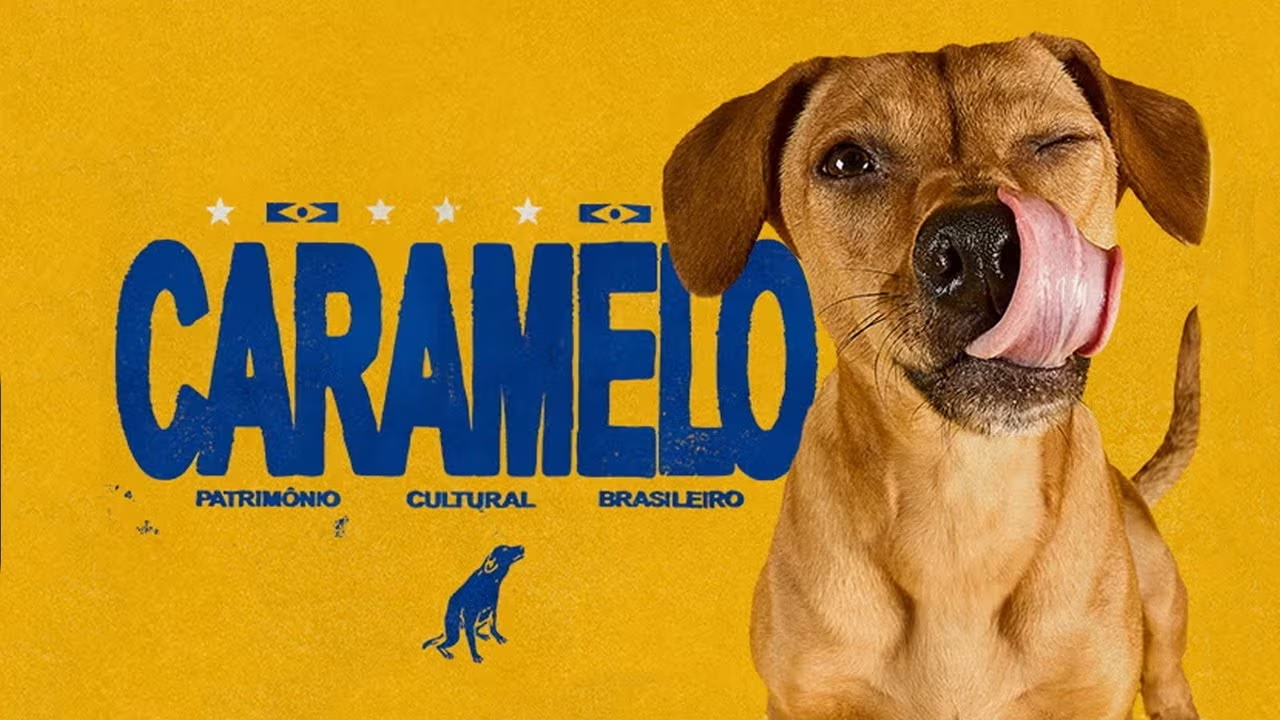
The example shared was Pedigree’s “Caramelo” campaign, made by AlmapBBDO for Mars in Brazil. The vira-lata caramelo, the caramel-coloured mutt, is the dog almost every Brazilian has grown up around. It’s a national symbol. But when people want a dog, they want a purebred, and the caramelos stay in shelters. Pedigree could have run a sweet adoption ad and stopped there. It went all the way in instead. It commissioned a genetic study of 350 caramelos to show they share physical, genetic and health traits, the way a breed does. It started a Caramelo Kennel Club. It held the first dog show for mixed-breed dogs, with an adoption fair attached. It even put a caramelo on its packaging. Pedigree gave people something to talk about, and they talked. The campaign won AlmapBBDO its first Titanium Lion at Cannes in 2025, and Pedigree says adoptions through its programme went up 218%. It’s worth watching, because it shows what happens when a brand commits fully to an idea instead of hedging.
In an AI world, earned media isn’t a bonus. It’s the strategy. Almost half of what AI cites comes from news media, and AI prefers what’s recent: in Meltwater’s analysis, 58% of the dated sources AI cited were less than a year old. As Allie Konchar, co-founder of Omniscient, puts it in the same guide, earned media creates exactly the kind of independent, high-authority sources AI relies on when it summarises and recommends brands. Paid media gets you seen. Earned media gets you into the answer.
That’s harder to pitch internally than a media plan. It’s also much harder to lose.
So what should marketing do?
Lead with your heart, but make your decisions with the numbers.
You have to start by accepting that AI has changed how the world finds out about your brand, how people engage with it, and how they decide. Once we accept that, we can think properly about how to respond.
Audit everything
A lot of brands I know don’t even know their search data: whether they come up in search, which topics they come up for, or where. With some consumer brands, you assume people already love them, the loyalist kind of conversation. But when we think about human behaviour, it isn’t always about preference. It’s also about life choices. Someone might be asking Google or ChatGPT, “What beer can I drink that won’t make me burp, won’t make me throw up and won’t give me a big stomach?” That’s how people actually search, and that’s how you should think about it. Is your brand in that answer?
It’s also worth knowing where AI gets its information. Meltwater found that up to 45% of AI citations come from places many brands neglect: their own blogs and content hubs, product FAQs and help pages, review sites and forums, and niche industry publications. AI also favours content it can easily pull apart, like clear answers, comparisons and lists, over long blocks of marketing language. Your audit should look at all of that, not only your ads and your social pages.
Make the changes strategically
Stop collecting data for data’s sake
I don’t think marketing suffers from a lack of data. If anything, it suffers from an abundance of it. There’s so much data available, and marketers use only a small part of it. What would help is understanding the numbers. What is the data saying? What are people saying? Lead with your heart, but make your decisions with the numbers. There’s a heart side and a head side to this work, and data serves the head.
Be curious again
I remember my early years in marketing, and this is a random example. Whenever we were planning an event, one of the first things we did was go to the venue. We called it a recce. We took tape rolls, measured everything and took pictures. We were curious about the experience people would have. We looked at the area around it. Is there good parking? What could we do on the street outside?

I’d add one more thing. We marketers need to let go of the idea that we only do things because we already know them, or because we’re certain how they’ll turn out. There’s so much pride in our work that we forget half of it is testing. Will this work? How will the audience react? Think about the biggest campaigns you can think of, the ones that won every award. They weren’t built from certainty. They were built from, “We understand this audience deeply, and we believe this will connect.” Then someone was brave enough to put the work out. Bravery needs to come back to marketing, and that’s how we win in this AI era. The brands that win will be the ones that think differently, use their data well, stay curious enough to want to do great work, and are brave enough to ship it.
To close
I’m excited about the future of marketing. I think we’re at a point where marketing can do more good in the world than we realise, and I’m very pumped to be in this space.
I hope you enjoyed my first piece. I don’t know where I’ll share the next one, but thank you for reading.
How this was written
- The ideas started at the Meltwater Summit, which I attended.
- Every thought in this piece is mine. I spoke them out loud and captured them with Wispr Flow.
- AI helped me edit and shape them.
- The images and illustrations were designed with AI.
- The final edit was mine.
Sources
01
Gener8, How Our AI Use Changed in a Year (September 2026) and What 100 Million Real AI Conversations Reveal About Your Customers (October 2026). US and UK consented panel data, August 2025 to August 2026.
02
Meltwater, Own Your AI Visibility: Shape What AI Says About Your Brand (2026).
03
Google and Ipsos, Our Life with AI, via Techpoint Africa.
04
Visa, Stay Secure 2026, via TheCable.
05
Orange and KPMG, Nigeria Smartphone Study 2025, via Brand Spur.
06
Gartner’s 2024 search prediction and what happened, via Future Factors.
07
Levenson et al., PLOS ONE (2015), the pigeon study, via Phys.org.
08
Ehrenberg-Bass Institute on category entry points, via Marketing Week.
09
Union Bank’s rebrand and “Don’t be an Uncle Thomas”: Guardian Nigeria, Ads of the World, YNaija.
10
Pedigree “Caramelo” by AlmapBBDO: LBB Online, Ads of the World, Propmark (adoption figure).
If you want to think this through with us
If you're trying to work out how AI sees your brand, what your audience is asking AI about your category, or what to change first, we'd be glad to talk. It doesn't have to start as a big project. Often it starts with an audit and a conversation.